Lionel Messi and the Art of Letting Go
For much of Lionel Messi’s extraordinary career, there was always another objective waiting for him. Another trophy, another record and, above all, another opportunity to achieve something with Argentina.
Eventually, however, even the greatest athletes reach a point when the challenge is no longer about what remains to be won. It becomes about recognising when it is time to stop.
Messi announced his retirement from international football on August 31, ending a relationship with Argentina that shaped both his career and the emotions of an entire generation of football supporters.
At 39, he leaves the national team as Argentina’s record appearance-maker and leading goalscorer, with a World Cup and two Copa América titles among the defining achievements of his international career.
The trophies tell only part of the story.
For years, Messi’s relationship with Argentina was defined as much by disappointment as success. He carried enormous expectations while comparisons with Diego Maradona followed him throughout his career.
There were painful defeats, lost finals and periods when international success seemed determined to remain beyond his reach.
Then came the 2022 World Cup.
In Qatar, Messi finally won the trophy that had become the missing piece of his career. Argentina’s triumph provided the kind of ending that almost seemed written for him: the country’s biggest football star finally lifting the World Cup after years of trying.
He could have stopped there.
Instead, Messi continued.
Argentina went on to win the 2024 Copa América, giving him another major international title and another seemingly perfect opportunity to leave as a champion.
Again, he chose to stay.
Perhaps that decision illustrated something deeper about his relationship with the national team. Argentina was never simply another side for Messi. It represented years of expectation, criticism, disappointment, persistence and, eventually, extraordinary happiness.
Knowing that a journey has reached a natural ending and being emotionally prepared to leave it are not always the same thing.
The 2026 World Cup presented another opportunity for a memorable conclusion. Argentina reached the final once again, placing Messi one victory away from another world title.
This time, there was no fairy-tale finish.
Spain defeated Argentina in the final, leaving Messi with a runner-up medal rather than another World Cup trophy.
According to the account surrounding his retirement, Messi had already prepared his retirement statement shortly after the final.
But another, far more personal goodbye followed.
Weeks later, his father Jorge Messi died at the age of 68.
Jorge had played an important role throughout his son’s career, serving not only as his father but also as his representative and an influential figure in the journey that began long before Lionel Messi became a global football icon.
The loss represented a kind of farewell that could not be postponed or negotiated.
Football had always offered another match, another season or another opportunity. Personal loss offered none of those possibilities.
That experience gives Messi’s decision to leave international football an especially reflective dimension.
This goodbye is different because it is his decision.
Messi has acknowledged the pain involved in walking away while also recognising that the moment has arrived for a younger generation to take greater responsibility for Argentina.
There is something fitting about the way the story ends.
For years, Messi kept returning to Argentina despite disappointment. He continued pursuing the international success that had repeatedly escaped him until the defeats eventually became victories.
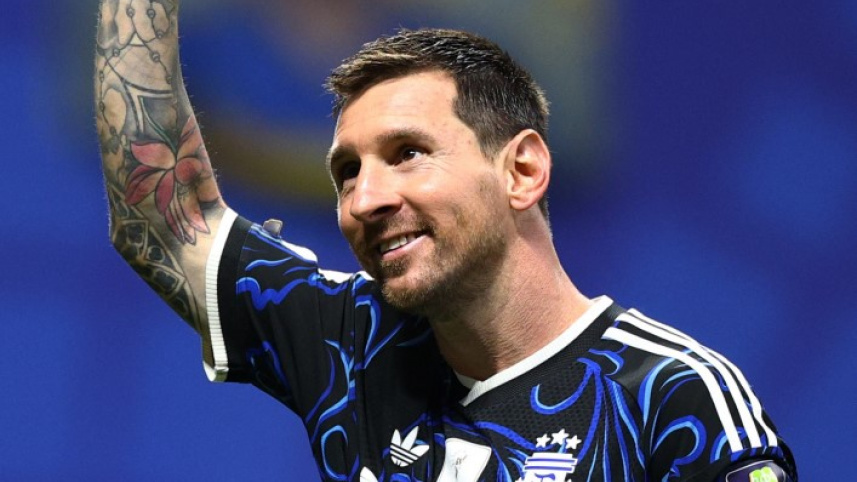
He ultimately gave Argentina the moments supporters had spent years hoping to see: continental triumphs, a World Cup and countless memories in the blue-and-white shirt.
Now the final challenge is not to win another trophy.
It is to accept that the journey is complete.
Supporters face their own version of that farewell.
For more than two decades, millions watched Messi grow from a young prodigy into the central figure of Argentina’s national team. They watched the defeats, the tears, the criticism, the celebrations and finally the moment when he lifted the World Cup.
For many football supporters, those memories are intertwined with their own lives. Messi wearing Argentina’s colours became part of growing up, watching football and sharing the sport across generations.
That is why retirement can feel larger than the departure of a single player.
Messi is letting go of the Argentina shirt after giving it much of his sporting life.
Football now has to learn to let go of that version of Messi too.