Corruption Allegations in Quick Rental Power Deals Should Be Probed: BERC Chairman
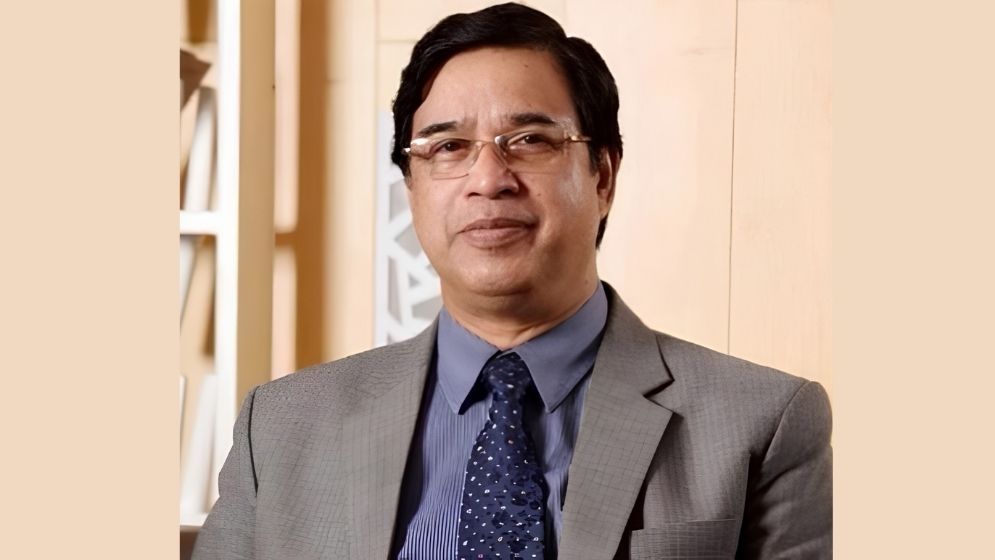
Bangladesh Energy Regulatory Commission Chairman Jalal Ahmed has said allegations of irregularities and corruption surrounding quick rental power projects warrant investigation.
Speaking in Dhaka on Friday, the BERC chairman raised questions about the prices paid for electricity from quick rental plants when contracts were renewed after their original terms had expired.
He said such plants were generally intended to operate for about three years.
According to Jalal Ahmed, electricity from the projects was priced at around Tk16 per unit during the initial period.
However, he questioned why electricity continued to be purchased at rates close to the previous level during contract renewals even after investors had recovered their investments.
He argued that after recovery of the initial investment, renewed electricity prices should have reflected the operating costs of the plants rather than remaining close to the original rates.
Against that background, Jalal Ahmed said allegations of corruption involving quick rental power projects could not simply be ruled out and should be examined.
The BERC chairman made the remarks as chief guest at a shadow parliament debate titled "Investment in Renewable Energy to Ensure Energy Security".
Debate for Democracy organised the programme at the Film Development Corporation in Dhaka.
RENEWABLE ENERGY COULD EASE SHORTFALL
Jalal Ahmed also addressed Bangladesh’s broader energy challenges, saying there was little prospect of the ongoing crisis being completely resolved in the immediate future.
He said renewable energy could, however, help cover part of the country’s energy shortfall if supportive government policies continued.
According to him, Bangladesh would not necessarily have to wait a long time to see benefits from greater renewable energy investment.
He said industrialists and other investors could be encouraged to enter the renewable energy sector if appropriate policy support were combined with access to low-interest financing.
Coordinated initiatives involving policy and financing could therefore help accelerate private investment in renewable power, he added.
Jalal Ahmed also stressed the importance of maintaining a diversified fuel mix rather than depending heavily on a limited number of energy sources.
Such diversification, he said, would be important for strengthening Bangladesh’s long-term energy security.